
When it comes to online casinos, one of the most crucial elements that ensures fairness and randomness is the Random Number Generator (RNG). The RNG is a complex algorithm that generates a sequence of numbers that are used to determine the outcome of various games, such as video slots, table games, and roulette. For players in New Zealand, a great example of a reputable online casino that utilizes RNG is royal reels $20 casino, which offers a wide range of games that are regularly audited for fairness.
In this article, we will delve into the world of RNG, exploring its importance, how it works, and its relationship with Return to Player (RTP) percentages and the house edge. We will also discuss common myths and misconceptions about RNGs and provide answers to frequently asked questions.
What is an RNG and Why is it Essential for Online Gambling?
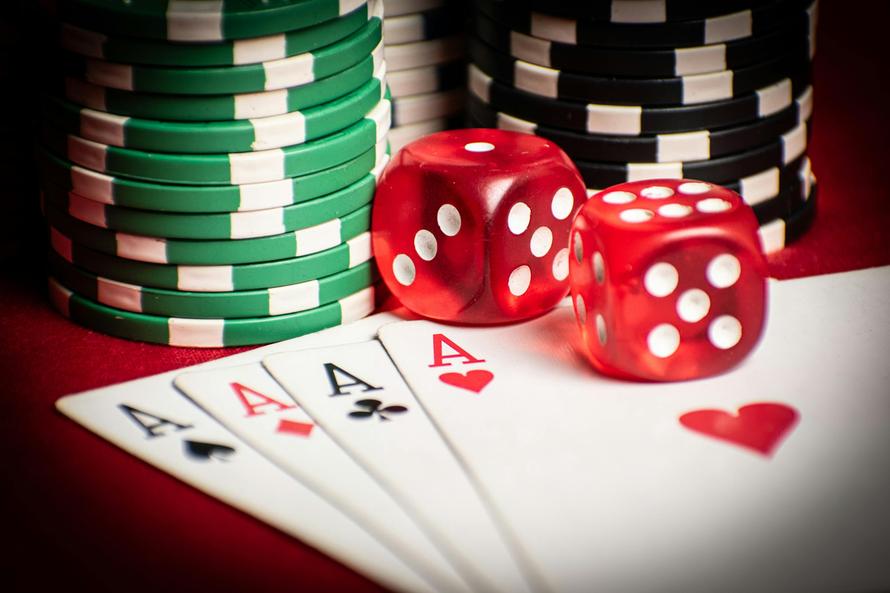
An RNG is a software program that generates a sequence of numbers that are unpredictably random. It is essential for online gambling because it ensures that the outcome of games is fair and unbiased. The RNG is designed to mimic the unpredictability of physical casino games, where the roll of a dice, the spin of a wheel, or the deal of a card is unpredictable. In online casinos, the RNG replaces the physical element, generating a random outcome for each game.
The RNG is also responsible for preventing both players and operators from manipulating the outcome of games. By using a complex algorithm that generates truly random numbers, the RNG ensures that each game is independent and unpredictable, making it impossible to cheat or manipulate the outcome.
Comparison of RNG Implementation Across Game Types
| Video Slots | Determines symbol positions on reels | 100% (Pure Chance) | Monthly/Quarterly |
| Table Games (Blackjack) | Determines card deals from a virtual deck | High (Combined with Strategy) | Annually |
| Roulette | Determines the landing pocket of the ball | 100% (Pure Chance) | Monthly/Quarterly |
| Video Poker | Determines the initial deal and the draw | High (Combined with Strategy) | Annually |
As shown in the table, the RNG plays a crucial role in determining the outcome of various games. In games like video slots and roulette, the RNG has a 100% influence on the outcome, making them purely based on chance. In games like blackjack and video poker, the RNG has a high influence on the outcome, but strategy also plays a significant role.
How Random Number Generators Work Behind the Scenes
The Difference Between PRNG and TRNG
There are two types of RNGs: Pseudo-Random Number Generators (PRNG) and True Random Number Generators (TRNG). PRNGs use algorithms to generate a sequence of numbers that appear random, while TRNGs use physical phenomena, such as thermal noise or radioactive decay, to generate truly random numbers. Most online casinos use PRNGs, which are designed to produce a sequence of numbers that are practically impossible to predict.
The reason PRNGs are preferred for high-volume digital gaming is that they are faster and more efficient than TRNGs. PRNGs can generate millions of random numbers per second, making them ideal for fast-paced games like video slots and roulette.
The “Seed” Value: Where the Sequence Begins
The RNG algorithm uses a starting “seed” value to produce a sequence of numbers. The seed value is often based on a system clock or internal hardware state, making it practically impossible to predict. The algorithm then uses this seed value to generate a sequence of numbers that are random and unpredictable.
The seed value is crucial in ensuring that the RNG generates a unique sequence of numbers each time it is used. This ensures that each game is independent and unpredictable, making it impossible to cheat or manipulate the outcome.
Ensuring Fairness: The Role of Third-Party Auditing Bodies
eCOGRA and iTech Labs: The Watchdogs of the Industry
Independent testing laboratories, such as eCOGRA and iTech Labs, play a crucial role in ensuring that RNG software is fair and unbiased. These laboratories verify that the RNG software has not been tampered with and that it operates within statistical norms.
eCOGRA, for example, is a reputable auditing body that tests RNG software to ensure that it meets the required standards. They use sophisticated testing methods to verify that the RNG generates truly random numbers and that the outcome of games is fair and unbiased.
Licensing Requirements for RNG Certification
Top-tier jurisdictions, such as the UKGC or MGA, mandate regular RNG audits as a condition for maintaining a gambling license. This ensures that online casinos operate fairly and transparently, providing players with a safe and secure gaming environment.
The licensing requirements for RNG certification are strict, and online casinos must comply with these requirements to maintain their license. This includes regular audits and testing of their RNG software to ensure that it meets the required standards.
RNG and Its Relationship with RTP and House Edge
How RNG Determines Return to Player (RTP) Percentages
While the RNG provides the randomness, the mathematical design of the game determines the RTP. The RTP is the percentage of money that a game is designed to pay out over time, and it is typically expressed as a percentage.
The RNG is used to calculate the long-term payout of a game by simulating millions of cycles. This ensures that the game pays out the expected RTP, providing players with a fair and unbiased gaming experience.
The Mathematical Certainty of the House Edge
The combination of random outcomes and specific payout structures ensures that the casino maintains a profit margin over time. This is known as the house edge, and it is a mathematical certainty that the casino will make a profit in the long run.
The house edge is not a result of the RNG being biased or unfair. Rather, it is a result of the mathematical design of the game, which is designed to provide the casino with a profit margin. The RNG ensures that the outcome of games is random and unpredictable, making it impossible to cheat or manipulate the outcome.
Common Myths and Misconceptions About RNGs
Can You Predict or “Beat” an RNG Sequence?
One common myth about RNGs is that players can find patterns in the sequence of numbers or use “timing” to win. However, this is not possible, as the RNG generates truly random numbers that are unpredictable.
Modern casino software uses sophisticated algorithms that are designed to prevent players from predicting or manipulating the outcome of games. The RNG is constantly generating new numbers, making it impossible to predict the next number in the sequence.
The Fallacy of “Hot” and “Cold” Streaks
Another common myth is that players can identify “hot” or “cold” streaks in games, where the outcome is more likely to be a win or a loss. However, this is a fallacy, as each game is an independent event, and the outcome is determined by the RNG.
The “Gambler’s Fallacy” is a common mistake that players make, where they believe that a series of independent events will influence the outcome of the next event. However, this is not the case, and each game is a separate event that is determined by the RNG.
Author
Author: Marcus Sterling
Bio: Marcus Sterling is a senior iGaming analyst and former software auditor with over 15 years of experience in the digital gambling sector. He specializes in algorithmic fairness and regulatory compliance, helping players understand the complex mathematics behind their favorite casino games.
Frequently Asked Questions (FAQ)
Can online casinos rig their RNG systems?
While it is technically possible for unregulated sites to rig their RNG systems, licensed and audited casinos cannot do so without losing their licenses and facing legal action.
Does the RNG change if I increase my bet size?
The RNG operates independently of the bet amount, ensuring that the probability of winning remains the same regardless of the stake.
Is RNG used in live dealer games?
Live dealer games use physical randomness, such as real cards or wheels, rather than RNG software. However, some “hybrid” games may use RNG for bonus features.
How often are RNG systems tested for fairness?
Most reputable casinos undergo monthly or quarterly audits by third-party agencies to ensure ongoing compliance and fairness.